

About Us
The Biodiversity Institute for Conservation Synthesis (BICS) seeks to address the sustainability and conservation of diversity and biostructure, and aid in the development of strategies that mitigate and conserve planetary biodiversity in the face of multiple human stressors.
Towards creating the scientific infrastructure that is needed to thwart massive anthropogenic impacts, the broad team that comprises BICS has expertise in conservation, biodiversity, ecology, evolution, and physiology scaling from genes to ecosystems.
BICS incorporates collaborative experimental research and data synthesis and takes advantage of large amounts of across-scale data that are being generated globally to tackle six interacting themes: Indigenous-science knowledge system engagement, climate crisis, environmental contamination, habitat loss and restoration, invasive species, and urbanization.
Mission

At the Biodiversity Institute for Conservation Synthesis, we aim to further our understanding of the processes that shape biodiversity and to develop effective management tools to conserve and protect biodiversity during an era of rapid environmental change. We aspire to provide a flexible framework to help organize and facilitate new research initiatives and effective research alliances.
Research Themes
BICS researchers aim to tackle some of the most pressing environmental challenges and needs of our time:

Indigenous-science knowledge system engagement

Climate change

Environmental contamination

Habitat loss and restoration

Invasive species

Urbanization
Student Training
For students interested in studying biodiversity, the University of Guelph offers an undergraduate degree as well as opportunities for graduates to pursue further graduate and postdoctoral studies within the Integrative Biology department. The Centre for Ecosystem Management – operating out of the University of Guelph – also provides opportunities for graduates via their Postdoctoral Fellowship program.
International Frameworks

United Nations Sustainable Development Goals
#13 Climate Action, #14 Life Below Water, and #15 Life on Land: BICS contributes to the conservation of diversity and biostructure of both aquatic and terrestrial systems in the context of climate change and other anthropogenic stressors.

United Nations Decade on Ecosystem Restoration 2021-2030: BICS seeks to conserve and restore the structure and function of ecosystems to ensure the preservation of biodiversity and the maintenance of ecosystem services .
BICS Complements the Existing Environmental Expertise at U of G

The Centre for Ecosystem Management links the well-established tradition of the Quantitative Fisheries Center (QFC) at Michigan State University with strengths in ecosystem dynamics and sustainability science at the University of Guelph.

The Guelph Ecosystem Services Team, in partnership with the University of Guelph’s research initiative Food From Thought and McGill University, work to better understand how agricultural practices affect biodiversity and ecosystem services.

The Guelph Institute for Environmental Research aims to break down barriers among disciplinary silos and bring the arts, the sciences, the humanities, and the engineering together to tackle complex environmental problems.
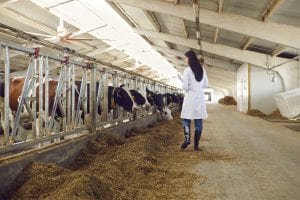
The One Health Institute provides increasing evidence that human, plant and animal, and environment health are connected in more ways than we ever imagined. It studies complex issues such as infectious diseases, food safety, and antimicrobial resistance.

The Centre for Biodiversity Genomics (CBG) is a global leader in the development and application of DNA-based systems for species identification. DNA barcoding is not only transforming humanity’s capacity to understand biodiversity, but it’s also helping us to better protect it.
